Big Bear is a different world from the desert floor. Many wells here are drilled into fractured granite, where water moves through cracks in the rock instead of a deep sand aquifer. Yields vary from one lot to the next, and a well that was fine for a weekend cabin may struggle when the place becomes a full-time home.
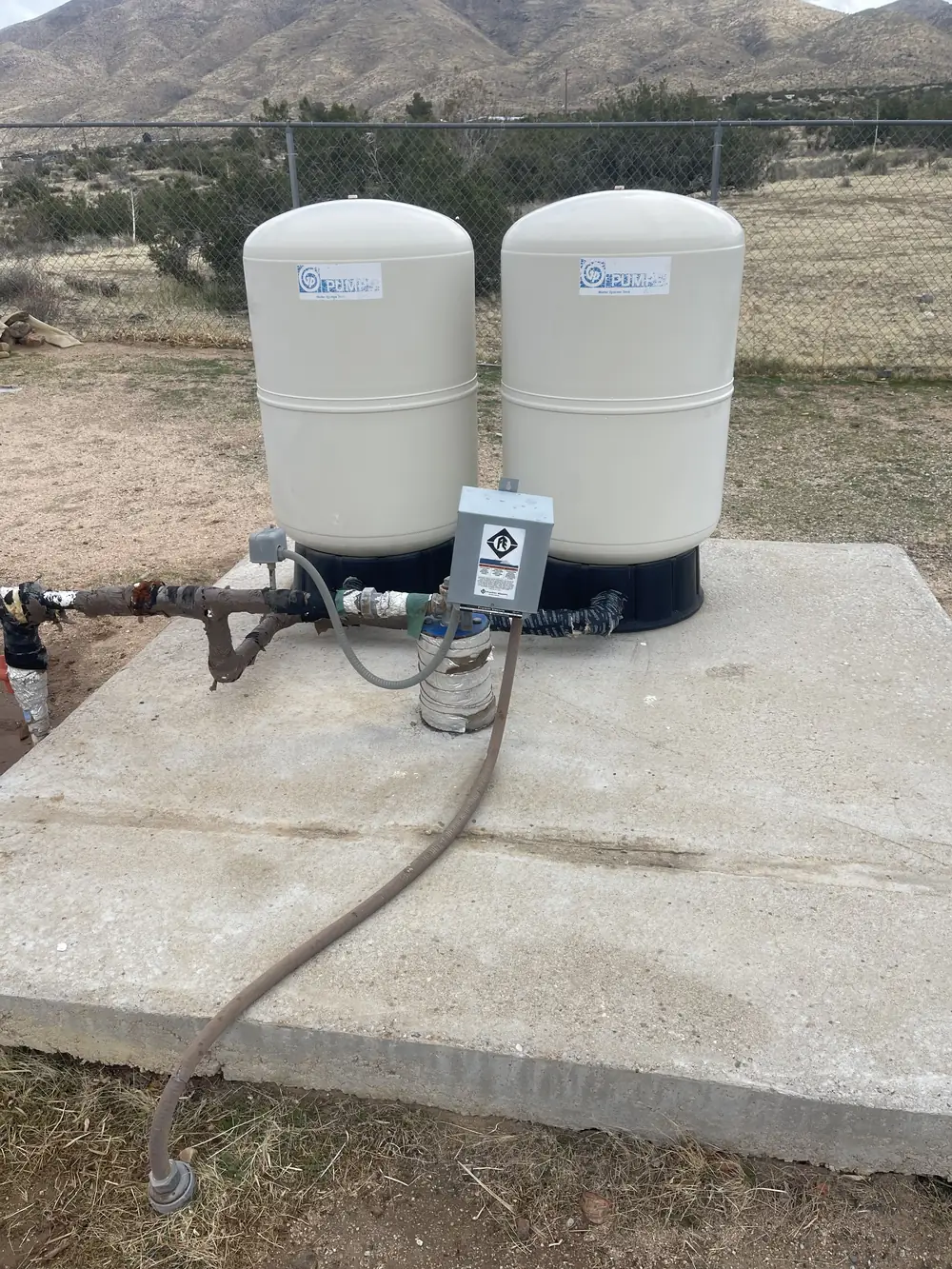
Then there’s winter. Steep, secluded lots and snow make it hard for service trucks to reach a failed pump, so Superior equipped its fleet with a 4x4 pump truck for exactly these calls. Frozen lines at the wellhead and pressure tank are a common cold-weather problem; keep well equipment insulated and protected, and call if water stops after a hard freeze.
Baldwin Lake, east of Big Bear City, sits around a mostly dry lake bed with its own wells and its own quirks. We serve Big Bear Lake, Big Bear City, Sugarloaf, Fawnskin and Baldwin Lake for repairs, inspections and well certifications.
Water rules here
Big Bear Valley is outside the desert-floor Mojave Basin adjudication. Well permits still come from San Bernardino County Environmental Health Services, and cabins changing hands often need a well certification for the lender.
What we do in Big Bear
Big Bear questions
Asked and answered.
Can you get to my Big Bear well in winter?
That’s what the 4x4 pump truck is for. Steep or snowy access is common in Big Bear, so call or text with your location and access details and we’ll plan the visit.
Why does my Big Bear well run low in summer?
Many Big Bear wells are in fractured granite, where yield depends on the cracks a well happens to intersect. Heavy summer use, more people in the house or a dry year can outpace a low-yield well. A flow test tells you what the well can really produce.
What should I do if my cabin has no water after a freeze?
Check whether the pump’s breaker has tripped. If it trips again, leave it off and call. Don’t open the pressure switch or control box: they’re live at 240 volts. Frozen lines often need a technician to thaw and inspect safely.